
What Are Off-Grid Solar Systems?
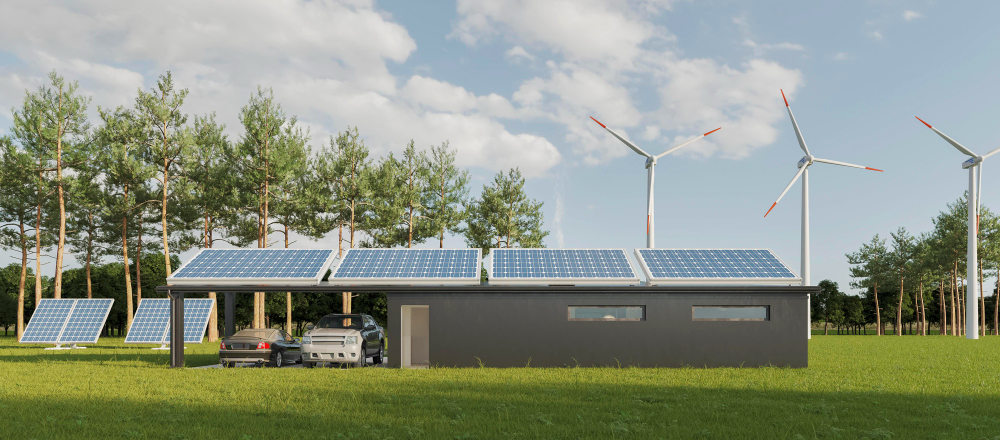
Off-grid systems, also called standalone or stand-alone systems, are an energy solution that works independently of the conventional power grid. Instead of relying on a utility connection, they generate and store their own energy, providing energy autonomy in remote locations, during power outages, or for anyone seeking self-sufficiency. They're a practical, sustainable option in many situations.
When Is Off-Grid Solar the Right Choice?
Off-grid systems are especially useful in the following situations:
- Remote or Isolated Areas: Where connecting to the grid is expensive, hard to arrange, or simply not possible. Examples: mountain cabins, rural homes far from town, islands, and so on.
- Homes or Businesses Seeking Energy Independence: For those who want to be energy self-sufficient, shrink their carbon footprint, and stop depending on the power company.
- Specific Applications: To power equipment or systems where there's no grid access. Examples: water pumping for farm irrigation, street lighting in rural areas, telecom systems in remote areas, weather stations, and more.
Components of an Off-Grid Solar System
A complete off-grid system is made up of several essential components:
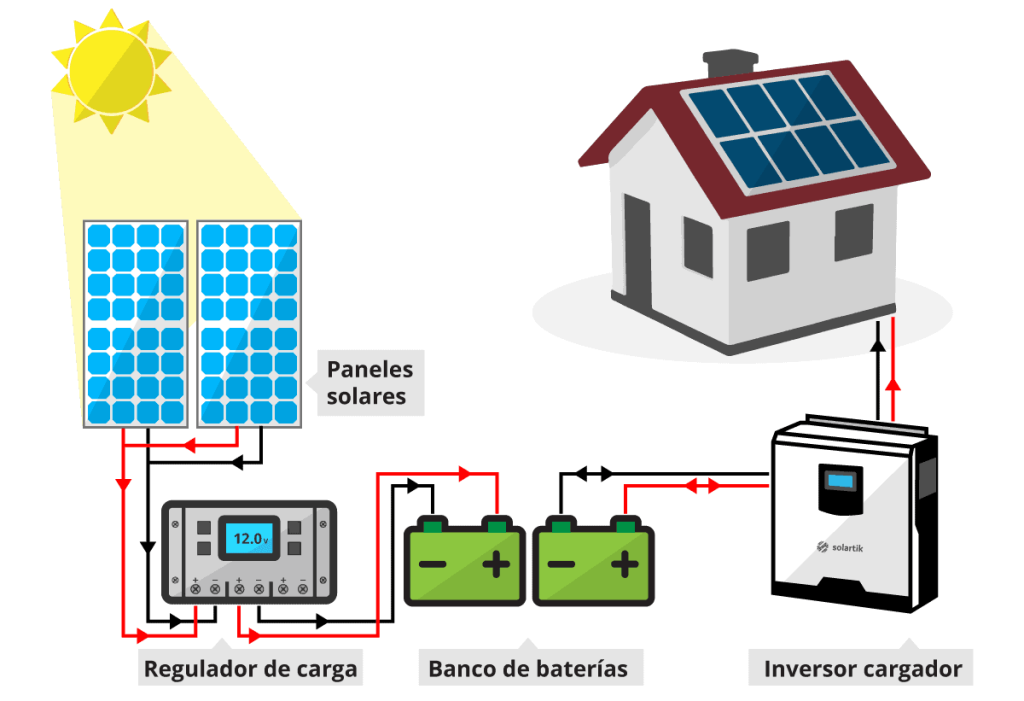
- Solar Panels (Photovoltaic Modules): They capture sunlight and convert it into direct current (DC) electricity. The number of panels you need depends on your energy use and the solar radiation available in your area.
- Batteries: They store the electricity produced by the solar panels for later use, especially at night or on cloudy days. Battery capacity is sized based on energy use and the desired autonomy. The main options are lead-acid batteries (less common today) and lithium-ion batteries, the latter being the most efficient and longest-lasting choice.
- Charge Controller: It regulates the flow of energy between the solar panels and the batteries, preventing overcharging and deep discharges that could damage them. It optimizes charging to maximize battery life.
- Inverter: Converts the direct current (DC) produced by the solar panels and stored in the batteries into alternating current (AC), which is what most appliances and 1 electronic equipment in homes and businesses run on. 1Source
- Monitoring System (Optional but Recommended): Lets you track system performance, including energy production, battery state of charge, and consumption.
- Backup Generator (Optional): A fuel-powered generator (gasoline, diesel, or gas) can serve as backup during extended periods of low sunlight or high energy demand.
Key Considerations When Designing an Off-Grid System
Designing an off-grid system takes careful planning to make sure it runs properly and meets your energy needs. Some key considerations:
- Calculating Energy Use: Determining your daily energy use in kWh (kilowatt-hours) is essential to size the system correctly. Add up the consumption of every electrical appliance you plan to use.
- Sizing the Solar Panels: The number of solar panels needed is calculated based on energy use, the solar radiation available in the area, and panel efficiency.
- Sizing the Batteries: Battery storage capacity is calculated based on energy use and the desired autonomy (the number of days you want backup power without sun).
- Choosing the Components: Choosing high-quality, efficient components is crucial to ensure the system's performance and durability.
- Self-Consumption: The system should be sized to cover the solar fraction of your consumption, that is, the share of your energy use that is covered by the power the system generates.
Advantages of Off-Grid Systems
- Energy Independence: The main advantage is complete independence from the conventional power grid.
- Power Access in Remote Areas: Brings electricity to places the grid doesn't reach, improving quality of life and development opportunities in rural or isolated areas.
- Lower Environmental Impact: It runs on a clean, renewable energy source, cutting greenhouse gas emissions and dependence on fossil fuels.
Disadvantages of Off-Grid Systems
- Higher Upfront Investment: They require a higher upfront investment than grid-tied systems because they need batteries and other components, such as a charge controller and a higher-capacity inverter.
- Maintenance: They need periodic maintenance to keep the system running properly, especially the batteries (in the case of lead-acid).
- Power Limitations: System output is limited by the capacity of the panels and batteries, which can restrict running several high-demand appliances at the same time.
Energy Independence Within Your Reach
Off-grid systems are a viable path to energy independence, especially in remote areas or for specific applications. While they require a higher upfront investment and periodic maintenance, the long-term benefits, such as autonomy and a smaller environmental footprint, can be significant. Contact us to design a system tailored to your needs and start enjoying energy independence.