Guaranteed monthly savings
Solar energy designed for you
Cut up to 98% of your electric bill with solar panels. Financing plans available.

Benefits of Solar Energy
/ A smart investment: solar panels and a sustainable future

Lower electric bills
Enjoy significant savings on your
electric bill, month after month.

Clean, renewable energy
Solar is a clean
and renewable energy source that produces no
greenhouse gas emissions.

Higher property value
Homes with solar panels
typically have a higher market value,
which makes them an excellent
long-term investment.

Energy independence
Enjoy the freedom of generating
your own electricity and rely less
on the power company.
Our Products
/ Solar Energy
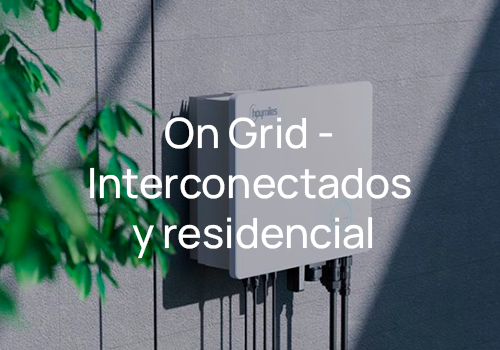
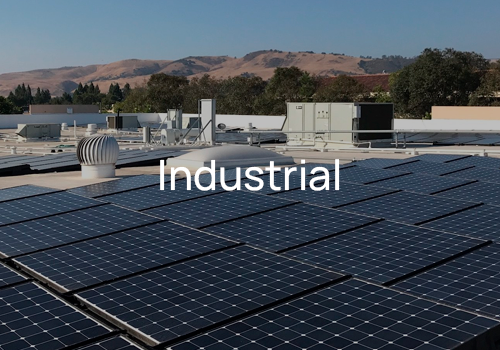
Choose how you'd like to save
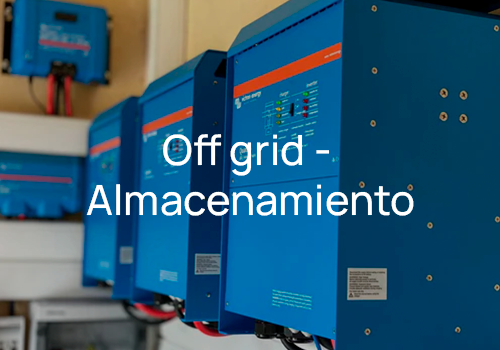

Why choose
Ultravioleta?
We stand out for offering top-quality products that deliver durability and peak performance in every installation. Our team of highly trained professionals combines expertise and experience to design custom solar solutions tailored to each client's specific needs. Our specialized technical support is there at every stage, from the initial consultation to ongoing maintenance, so you get complete, reliable service. With us, you're not just investing in clean energy, you're investing in peace of mind and quality work. The future is solar, and we're the partner to get you there.
Featured Projects
/Ultravioleta – Solar energy experts at your service
Custom solar solutions:
our featured projects
Ultravioleta is proud to deliver custom solar energy solutions built around the unique needs of each client.
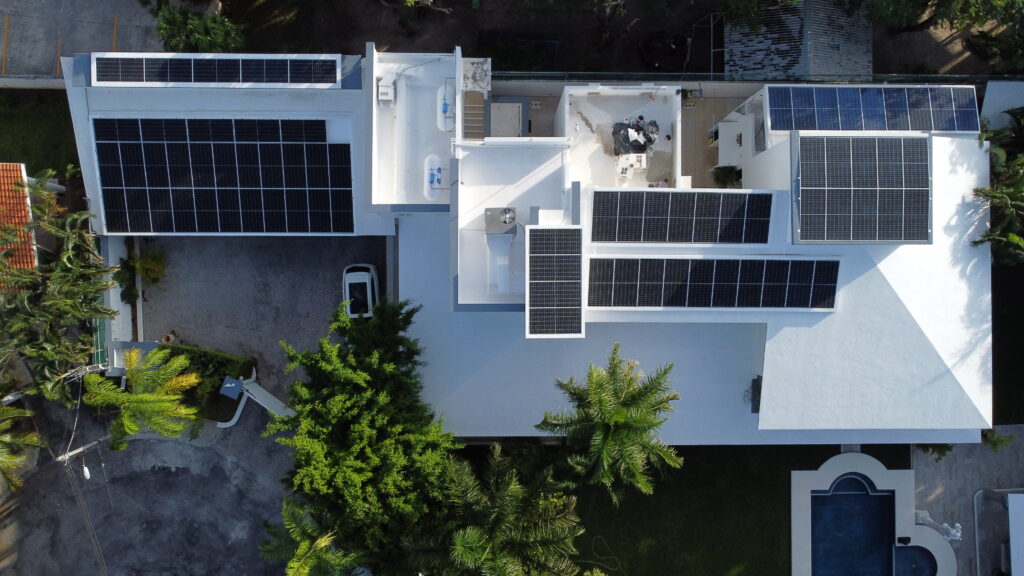
Residencial Campestre, Cancun
This system runs completely off-grid.
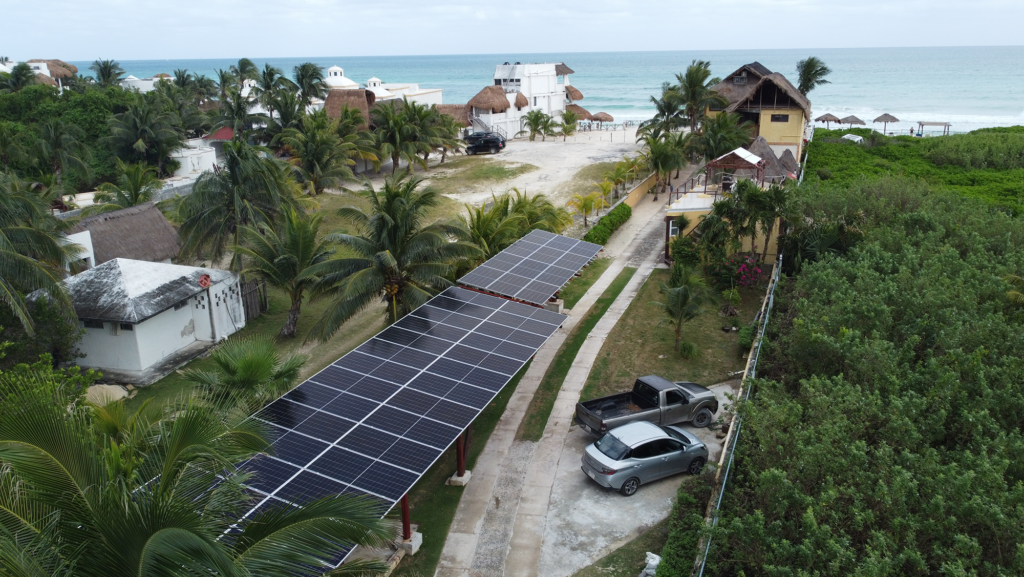
Playa del Secreto, Solidaridad
A project for a small 10-room hotel on one of the most beautiful beaches in Playa del Carmen.
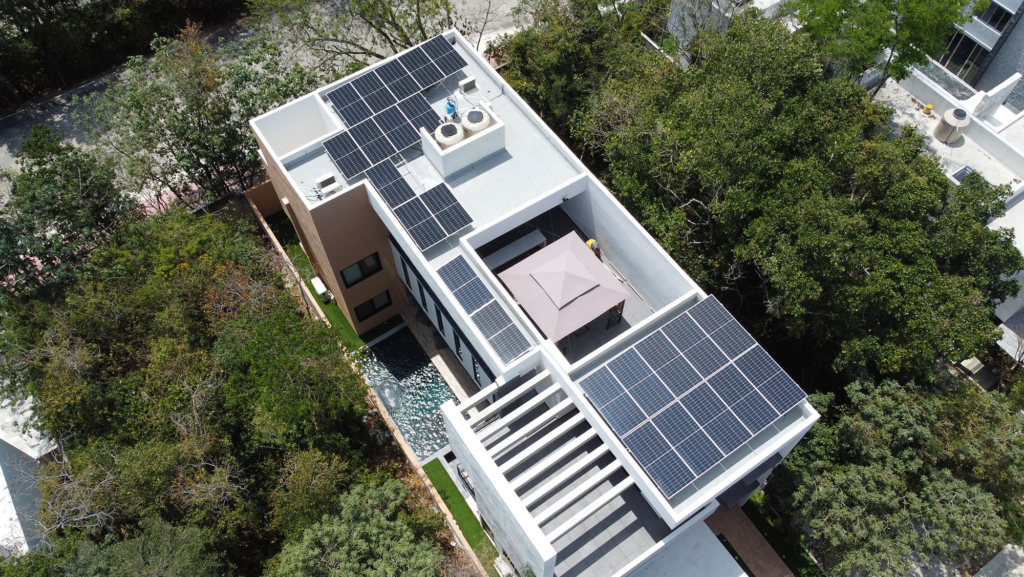
Mayakoba, Playa del Carmen
A Mayakoba residence with 28 panels and 7 HoyMiles microinverters. This family saves roughly $16,000 pesos every two months.
To see more projects

Frequently Asked Questions {FAQs}
How can you tell the quality of a solar panel brand?
BloombergNEF's Tier 1 list ranks solar module manufacturers by their “bankability,” which measures how likely projects using their products are to receive non-recourse bank financing. This status reflects not only a manufacturer's financial strength, but also its market reputation and its ability to meet the industry's strictest standards.
Central inverter vs. microinverter: what's the difference?
The main difference between a microinverter and a central inverter lies in their design, how they operate, and how they're used in solar energy systems.
Microinverter:
- A small device installed on each individual solar panel.
- Every panel has its own microinverter, so each one operates independently.
Central inverter:
- A single device connected to all the solar panels in a system.
- It handles power conversion for the entire panel array.
In short, choosing between a microinverter and a central inverter depends on the system size, site conditions (such as shading), and budget. Microinverters offer more flexibility and efficiency under changing conditions, while central inverters are more cost-effective for large, uniform systems.
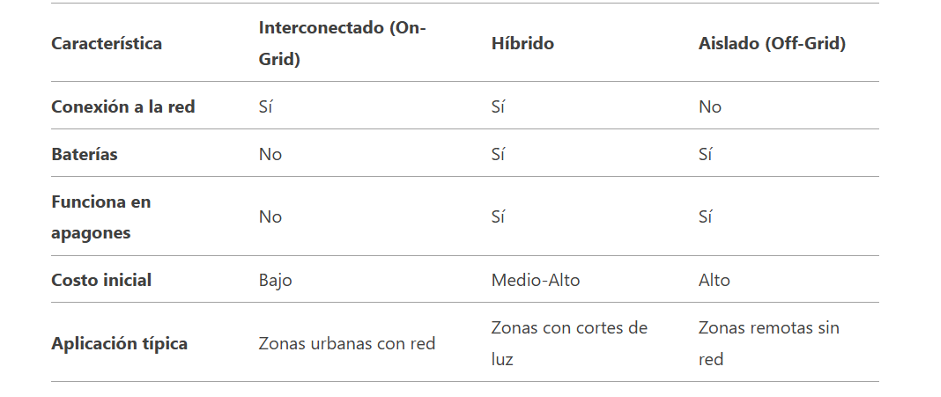
Grid-tied, hybrid, and off-grid solar systems: what's the difference?
Solar PV systems fall into three main types based on how they connect and operate: grid-tied (on-grid), hybrid, and off-grid. Each has its own features, advantages, and ideal uses.
The right system depends on your needs, location, and budget. If you have grid access, a grid-tied system is the most affordable option. If you want energy independence and backup power during outages, a hybrid system with battery storage is ideal. And if you don't have grid access, an off-grid system is the best choice.