
Solar Energy in the Industrial Sector: Efficiency and Sustainability
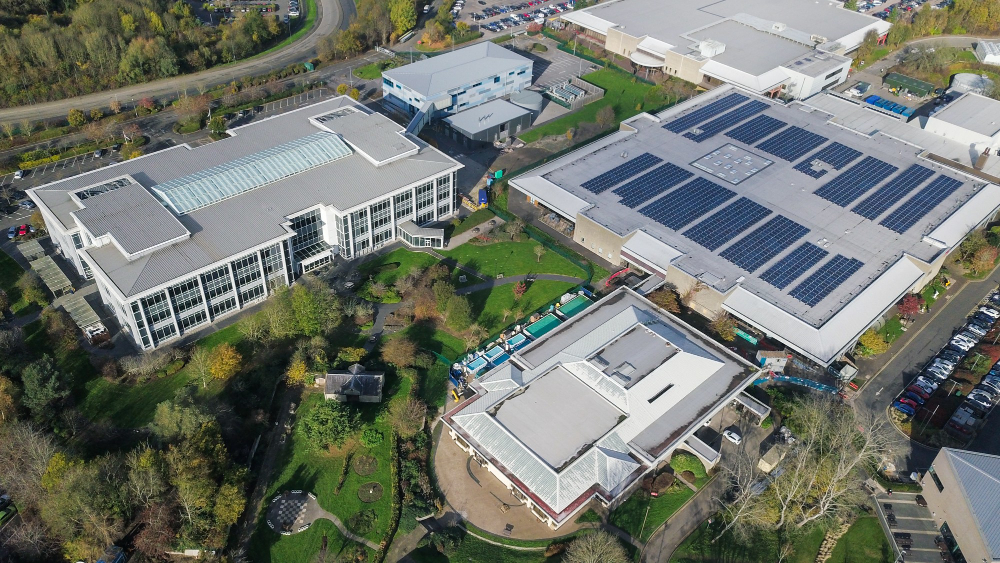
Industry is a major energy consumer, and that energy is a significant operating cost. Adopting solar PV systems is an opportunity to optimize consumption, lower operating costs, improve sustainability, and become more competitive.
Benefits of Solar Energy for Industrial Projects:
- Lower Industrial Rates: By generating some or all of the energy they use on site, companies draw less power from the grid and pay less under industrial rates, which are usually higher than residential rates.
- Optimized Self-Consumption: Self-consumption lets you use the energy from your solar panels directly in your production processes, maximizing savings and reducing transmission and distribution losses.
- Lower Time-of-Use Charges: Electricity rates often vary by time of day, with higher prices during peak hours. Because solar produces electricity mainly during the day, it can help offset the impact of these higher time-of-use rates.
- A Stronger Corporate Image: Adopting renewable energy such as solar shows a commitment to sustainability and the environment, strengthening a company's image with customers, investors, employees, and the wider community.
- Distributed Generation: Distributed generation produces power close to where it's used, reducing the transmission and distribution losses that occur on conventional power grids.
- Tax Benefits: In some cases, there are tax incentives for companies that invest in renewable energy, which can mean additional savings.
Key Considerations for Industrial Solar Projects
- Energy Consumption Analysis: A detailed analysis of the company's energy use is essential to size the solar PV system correctly. It should account for consumption patterns, peak demand, and the hours of highest use.
- Available Space: Assess the space available on roofs, land, or facades for installing the solar panels, taking into account orientation, tilt, and potential shading.
- Integration with Production Processes: Make sure the solar system integrates properly with the company's production processes, minimizing interruptions and making the most of the energy generated.
- Service Voltage Level: The grid's medium-voltage service in the area must be taken into account to ensure an efficient, reliable interconnection.
- Industrial Rates and Time-of-Use Rates: Analyze the industrial and time-of-use rates that apply to the company to optimize the system design and maximize savings.
Examples of Industrial Solar Applications
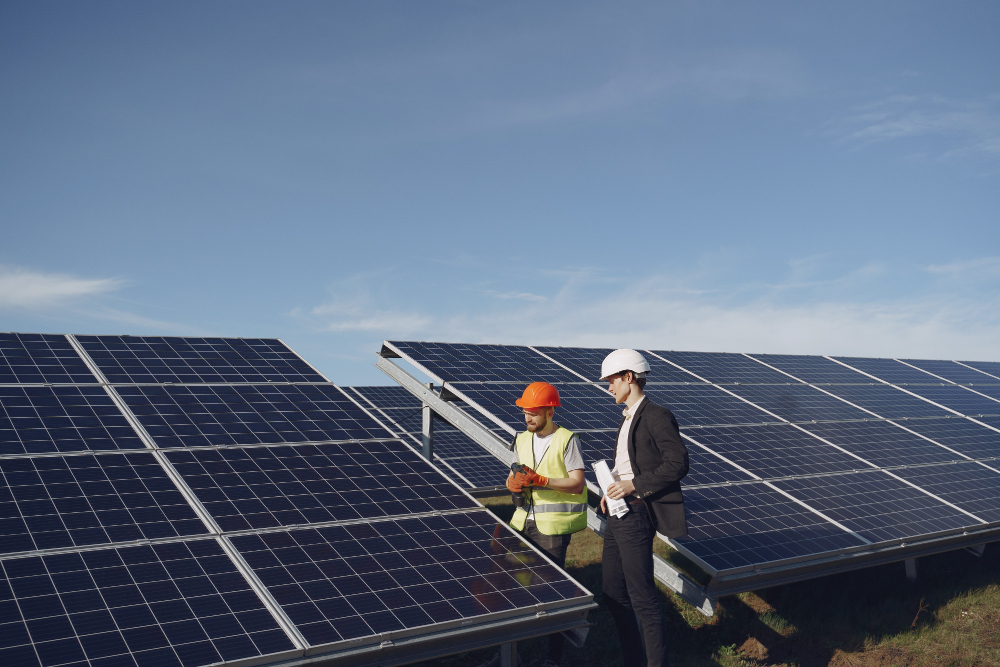
- Manufacturing: Powering machinery, lighting, and climate control.
- Agriculture: Water pumping for irrigation and farm electrification.
- Food and Beverage: Refrigeration and production processes.
- Data Centers: Powering servers and cooling systems.
Solar energy offers major benefits for industrial projects, helping optimize energy use, lower operating costs, improve sustainability, and boost competitiveness. Contact us for advice on the best solution for your industry and a custom assessment.